A well-curated home cellar is more than a place to store wine. It is a space that reflects understanding, foresight, and appreciation for craftsmanship. Whether your collection spans a handful of cherished bottles or a growing library of vintages, the principles of proper storage remain the same. Building a refined home cellar requires balance — between science and style, function and restraint.
The Foundation: Temperature and Humidity
Temperature is the single most important factor in wine storage. Ideally, a cellar should remain constant between 11°C and 14°C. Fluctuations are the enemy of stability, causing expansion and contraction that can disturb both cork and wine. Consistency matters more than precision, so choose a space shielded from direct sunlight, radiators, or household heat sources.
Humidity is equally significant. Aim for around 60 to 70 per cent to prevent corks from drying and allowing air ingress. If the air is too dry, lightly humidify the space; if too damp, use ventilation or a dehumidifier. Gentle air circulation ensures the environment remains fresh and prevents mould.
Lighting and Stillness
Wine prefers calm and darkness. Ultraviolet light degrades flavour and colour, particularly in delicate white and rosé wines. Soft, indirect lighting — ideally LED — provides safe visibility without excess heat. Movement should also be minimised. Store bottles where they will remain undisturbed, away from washing machines or high-traffic areas.
For those without a traditional cellar, a dedicated wine cabinet offers a refined and practical alternative. Modern units feature temperature zones, UV protection, and vibration control, allowing professional-level storage in a domestic setting.
Shelving and Organisation
Shelving forms the backbone of your cellar. Choose materials that are sturdy, odour-free, and resistant to moisture. Natural wood and metal both serve well, though the structure should allow easy access and air movement. Avoid painted or varnished finishes that might emit fumes.
Store bottles horizontally to keep corks moist and in contact with the wine. This prevents drying and shrinkage, maintaining the seal. For sparkling wines and screwcap bottles, horizontal or angled storage is optional but still neat and efficient.
Organisation brings order to the collection. Group wines by region, grape, or intended drinking window. Labelling shelves or using discreet tags saves time when selecting bottles. A digital record or cellar management app helps track vintages, locations, and notes, ensuring each bottle is enjoyed at its peak.
Choosing the Right Location
Not every home has the luxury of a basement, yet almost any property can accommodate a small, controlled space for wine. The key is finding somewhere quiet, cool, and stable. Under-stair cupboards, utility rooms, or spare pantries often make excellent candidates.
Avoid lofts, garages, or areas exposed to temperature extremes. Even a simple insulated cupboard with a dedicated cooling unit can serve as a micro-cellar for everyday use. The aim is not grandeur but preservation — ensuring that each bottle remains as the winemaker intended.
The Role of Design
A refined cellar balances practicality with presentation. The arrangement of bottles, the texture of the shelving, and the ambient lighting all contribute to atmosphere. Simplicity is often most effective. A well-ordered space conveys quiet sophistication and care.
Those with larger collections may consider dividing the cellar into zones — one for ageing, one for ready-to-drink bottles, and another for everyday wines. A small tasting table or counter can add purpose and pleasure to the ritual of selection.
Glass doors, soft lighting, and a restrained colour palette can elevate even a compact space into something calm and timeless.
Monitoring and Maintenance
A cellar is a living environment that requires light maintenance. Invest in a reliable thermometer and hygrometer to monitor conditions. Check corks and labels periodically for signs of excess moisture or dryness. Dust bottles gently to keep labels legible and surfaces clean.
For collections of greater value, consider a climate control system with temperature and humidity sensors. Smart technology can alert you to fluctuations, preserving your investment with precision.
Building a Cellar in Stages
Creating a home cellar need not happen all at once. Many enthusiasts begin modestly, expanding as knowledge and interest grow. Start by storing a dozen or two bottles under ideal conditions and observe how they mature. Over time, this gradual approach teaches more about wine than any textbook can.
Keep records of each bottle’s origin, tasting impressions, and longevity. These notes become the foundation of an informed collection — one built on curiosity and experience rather than volume alone.
A Closing Reflection
A refined home cellar is an investment in both pleasure and preservation. It safeguards the quality of fine wines while creating a space that speaks of calm appreciation. Whether it occupies a full room or a quiet corner, the principles remain unchanged — stability, organisation, and care.
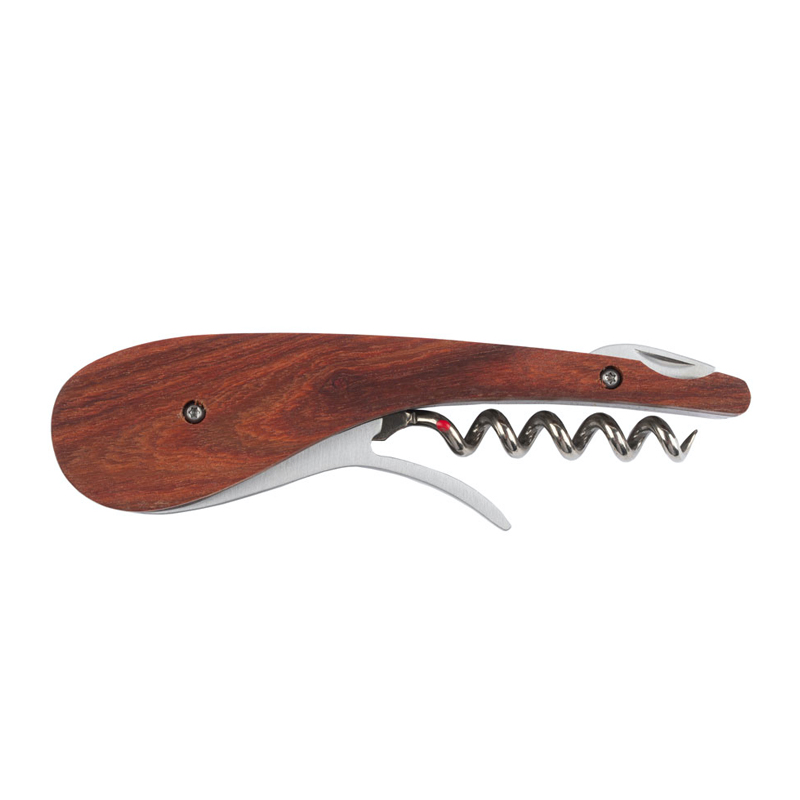
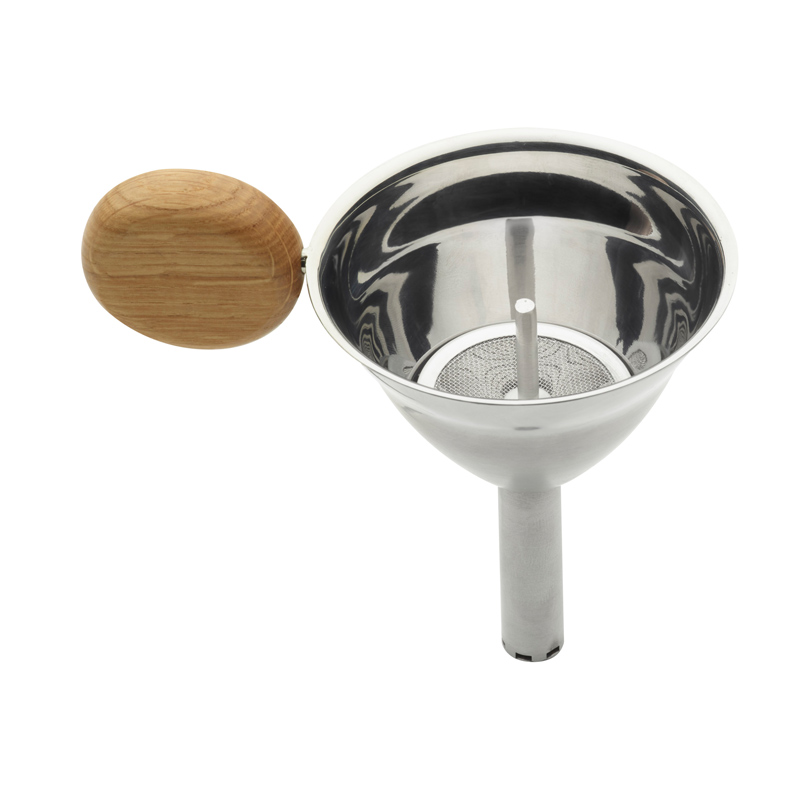
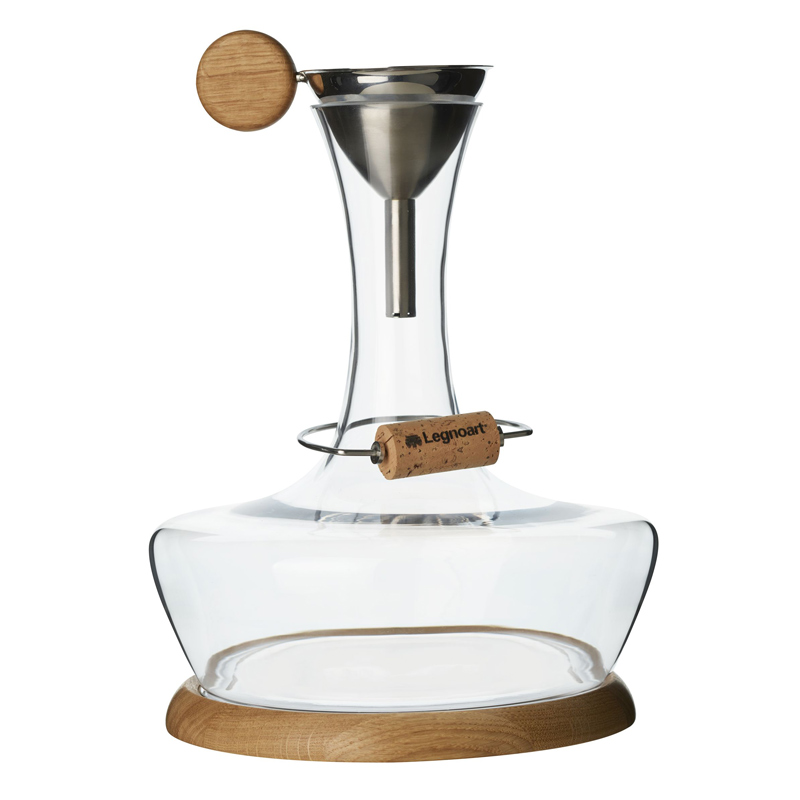
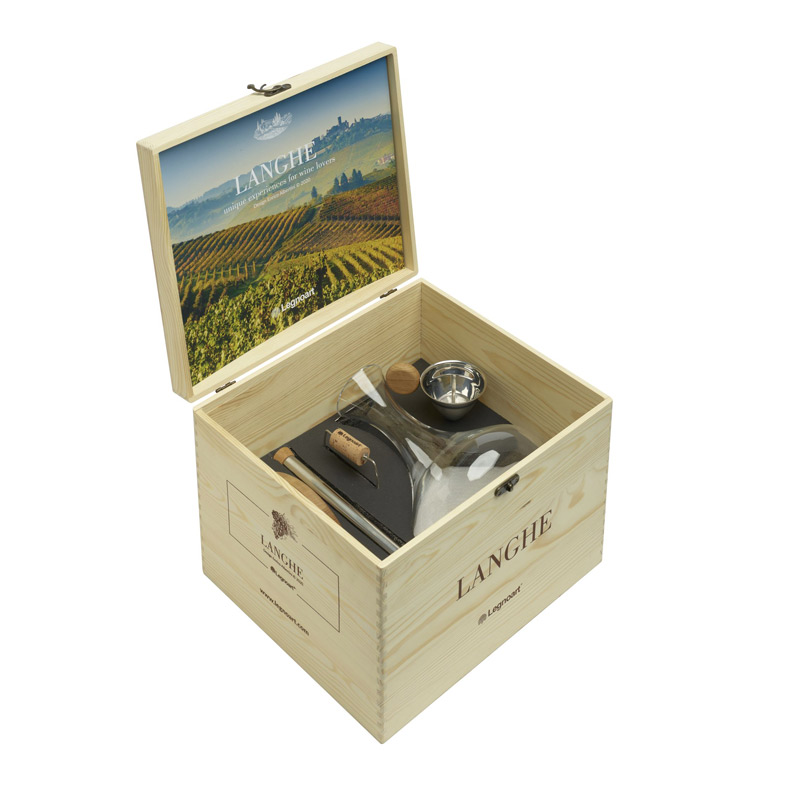
To complement your cellar, explore Vintrepid’s collection of wine accessories and decanters designed to enhance storage, serving, and the enjoyment of every bottle. Visit Vintrepid.co.uk to discover refined tools for the modern connoisseur.
The Science of Aeration: How Wine Breathes in Seconds Aeration is one of the simplest yet most effective ways to elevate wine. It transforms aroma, texture, and taste, turning a closed or youthful bottle into something expressive and balanced. Traditionally, decanting has served this purpose through time and patience. Today, precise aerators achieve the same [...]
Preserving Perfection: The Science Behind Coravin There is a quiet brilliance to the Coravin system. It allows you to enjoy a glass of fine wine without removing the cork, preserving what remains in the bottle for weeks, months, or even years. This innovation has transformed the way collectors, sommeliers, and enthusiasts experience wine. Beneath its [...]
Glassware Matters: Choosing the Right Wine Glass Glassware is more than a vessel. It shapes the way wine behaves, how it breathes, and how its aromas reach the senses. The right glass transforms the experience from ordinary to expressive, revealing nuances that would otherwise remain hidden. Choosing wine glasses is both a matter of practicality [...]
The Essence of Italian Olive Oil: Heritage, Craft and Taste Italian olive oil is more than an ingredient. It is the essence of landscape, culture, and season — a direct expression of soil, sun, and the hand that harvests. At Vintrepid, our collection of Italian olive oils brings together producers whose work honours these traditions [...]


How to Build a Refined Home Cellar
How to Build a Refined Home Cellar
A well-curated home cellar is more than a place to store wine. It is a space that reflects understanding, foresight, and appreciation for craftsmanship. Whether your collection spans a handful of cherished bottles or a growing library of vintages, the principles of proper storage remain the same. Building a refined home cellar requires balance — between science and style, function and restraint.
The Foundation: Temperature and Humidity
Temperature is the single most important factor in wine storage. Ideally, a cellar should remain constant between 11°C and 14°C. Fluctuations are the enemy of stability, causing expansion and contraction that can disturb both cork and wine. Consistency matters more than precision, so choose a space shielded from direct sunlight, radiators, or household heat sources.
Humidity is equally significant. Aim for around 60 to 70 per cent to prevent corks from drying and allowing air ingress. If the air is too dry, lightly humidify the space; if too damp, use ventilation or a dehumidifier. Gentle air circulation ensures the environment remains fresh and prevents mould.
Lighting and Stillness
Wine prefers calm and darkness. Ultraviolet light degrades flavour and colour, particularly in delicate white and rosé wines. Soft, indirect lighting — ideally LED — provides safe visibility without excess heat. Movement should also be minimised. Store bottles where they will remain undisturbed, away from washing machines or high-traffic areas.
For those without a traditional cellar, a dedicated wine cabinet offers a refined and practical alternative. Modern units feature temperature zones, UV protection, and vibration control, allowing professional-level storage in a domestic setting.
Shelving and Organisation
Shelving forms the backbone of your cellar. Choose materials that are sturdy, odour-free, and resistant to moisture. Natural wood and metal both serve well, though the structure should allow easy access and air movement. Avoid painted or varnished finishes that might emit fumes.
Store bottles horizontally to keep corks moist and in contact with the wine. This prevents drying and shrinkage, maintaining the seal. For sparkling wines and screwcap bottles, horizontal or angled storage is optional but still neat and efficient.
Organisation brings order to the collection. Group wines by region, grape, or intended drinking window. Labelling shelves or using discreet tags saves time when selecting bottles. A digital record or cellar management app helps track vintages, locations, and notes, ensuring each bottle is enjoyed at its peak.
Choosing the Right Location
Not every home has the luxury of a basement, yet almost any property can accommodate a small, controlled space for wine. The key is finding somewhere quiet, cool, and stable. Under-stair cupboards, utility rooms, or spare pantries often make excellent candidates.
Avoid lofts, garages, or areas exposed to temperature extremes. Even a simple insulated cupboard with a dedicated cooling unit can serve as a micro-cellar for everyday use. The aim is not grandeur but preservation — ensuring that each bottle remains as the winemaker intended.
The Role of Design
A refined cellar balances practicality with presentation. The arrangement of bottles, the texture of the shelving, and the ambient lighting all contribute to atmosphere. Simplicity is often most effective. A well-ordered space conveys quiet sophistication and care.
Those with larger collections may consider dividing the cellar into zones — one for ageing, one for ready-to-drink bottles, and another for everyday wines. A small tasting table or counter can add purpose and pleasure to the ritual of selection.
Glass doors, soft lighting, and a restrained colour palette can elevate even a compact space into something calm and timeless.
Monitoring and Maintenance
A cellar is a living environment that requires light maintenance. Invest in a reliable thermometer and hygrometer to monitor conditions. Check corks and labels periodically for signs of excess moisture or dryness. Dust bottles gently to keep labels legible and surfaces clean.
For collections of greater value, consider a climate control system with temperature and humidity sensors. Smart technology can alert you to fluctuations, preserving your investment with precision.
Building a Cellar in Stages
Creating a home cellar need not happen all at once. Many enthusiasts begin modestly, expanding as knowledge and interest grow. Start by storing a dozen or two bottles under ideal conditions and observe how they mature. Over time, this gradual approach teaches more about wine than any textbook can.
Keep records of each bottle’s origin, tasting impressions, and longevity. These notes become the foundation of an informed collection — one built on curiosity and experience rather than volume alone.
A Closing Reflection
A refined home cellar is an investment in both pleasure and preservation. It safeguards the quality of fine wines while creating a space that speaks of calm appreciation. Whether it occupies a full room or a quiet corner, the principles remain unchanged — stability, organisation, and care.
To complement your cellar, explore Vintrepid’s collection of wine accessories and decanters designed to enhance storage, serving, and the enjoyment of every bottle. Visit Vintrepid.co.uk to discover refined tools for the modern connoisseur.
Related Posts
The Science of Aeration: How Wine Breathes in Seconds
Preserving Perfection: The Science Behind Coravin
Glassware Matters: Choosing the Right Wine Glass
The Essence of Italian Olive Oil: Heritage, Craft and Taste