The Science of Aeration: How Wine Breathes in Seconds
Aeration is one of the simplest yet most effective ways to elevate wine. It transforms aroma, texture, and taste, turning a closed or youthful bottle into something expressive and balanced. Traditionally, decanting has served this purpose through time and patience. Today, precise aerators achieve the same result within moments, using science to refine a centuries-old ritual.
What Aeration Really Does
When wine meets air, a natural exchange begins. Volatile compounds that have been trapped inside the bottle start to dissipate, allowing the wine’s aromatic profile to unfold. At the same time, oxygen reacts gently with tannins and phenolic compounds, softening their structure and revealing smoother textures.
This process is not oxidation in the damaging sense — rather, it is controlled exposure. The aim is to awaken the wine, not age it. Proper aeration enhances balance and complexity, allowing fruit, acidity, and texture to align.
Young, full-bodied reds such as Cabernet Sauvignon, Syrah, and Malbec benefit most from this process, as do certain structured whites like Chardonnay. Even well-made rosés can open beautifully after brief aeration.
The Principles Behind the Process
At its core, aeration is a study in fluid dynamics. The act of pouring wine through an aerator increases its contact with air through turbulence and surface area. Tiny bubbles of oxygen are introduced rapidly, simulating the gradual exposure that occurs during decanting.
Most aerators rely on the Venturi effect — the principle that when a liquid flows through a narrow channel, it accelerates and reduces pressure, drawing air in through small vents. This controlled air intake blends oxygen evenly into the wine, producing a smoother mouthfeel and releasing aromatic compounds instantly.
By understanding this principle, designers have created aerators that balance efficiency with elegance, ensuring that no element of the wine is disturbed or overexposed.
From Decanters to Devices
Decanting remains a beautiful ritual, ideal for mature wines or special occasions. Yet aerators bring flexibility and immediacy, perfect for modern living. They deliver the same sensory benefit without the need for extended waiting.
Where decanting relies on still exposure and gravity, aeration uses motion and air pressure. In seconds, a well-engineered aerator can achieve what an hour of decanting might offer. This makes it especially valuable for younger wines that need energy and softness before serving.
Importantly, not all aerators are alike. The best models provide consistent flow control and precise air integration, maintaining the integrity of the wine’s structure. Poorly designed devices risk agitation, creating excess froth or introducing too much air, which can flatten delicate notes.
Understanding the Difference Between Aeration and Oxidation
While both involve oxygen, their effects are entirely different. Oxidation is the gradual degradation of wine caused by prolonged exposure to air — the same process that turns sliced apples brown. Aeration, by contrast, is temporary and controlled. It uses limited oxygen to highlight freshness rather than diminish it.
An aerated wine does not lose its life; it gains clarity. The harsh edges soften, and subtler layers emerge. The process reveals what the winemaker intended, bringing balance to aroma, flavour, and finish.
The Role of Design and Materials
As with any fine instrument, materials and craftsmanship define performance. High-quality aerators are made from food-safe stainless steel, crystal-clear glass, or BPA-free acrylic, combining precision with durability.
A well-designed aerator should feel balanced in the hand and pour cleanly without drips or spillage. Internal chambers are engineered to manage airflow accurately, ensuring even distribution of oxygen with each pour. Some models integrate seamlessly with decanters or attach directly to the bottle, while others feature stand-alone designs for versatility.
Attention to material is not aesthetic alone. Smooth internal surfaces prevent unwanted turbulence, allowing wine to flow in a steady stream that maximises contact without agitation. The result is consistency, elegance, and reliability — the hallmarks of any refined tool.
When to Use an Aerator
Aerators excel with wines that are youthful or structured. A bold red that feels tight or restrained often becomes more open and aromatic after a few seconds through an aerator. Whites with subtle oak or complex minerality, such as Chablis or Viognier, can also gain expression from brief aeration.
For older wines, caution is key. Mature vintages may have already developed fragile aromatic compounds that dissipate quickly. In these cases, gentle decanting remains the preferred approach.
The beauty of aeration lies in its adaptability. Whether used during casual dinners or formal tastings, it enhances the experience without altering tradition.
The Modern Experience of Wine
Aeration represents a balance between technology and intuition — a moment where science enhances ritual. It captures the essence of modern craftsmanship: efficient, precise, and beautifully made.
For collectors, it offers a practical solution that respects the integrity of fine wine. For enthusiasts, it provides immediate gratification without compromise. It is the meeting point of design and discovery, allowing every glass to reach its potential.
A Closing Reflection
Aeration is both art and science — the measured introduction of air that brings wine to life. Understanding how and when to aerate turns a simple pour into a refined act of appreciation.
Discover Vintrepid’s collection of precision-crafted wine aerators at Vintrepid.co.uk, where design, craftsmanship, and performance come together to perfect the modern pour.
Corkscrew Craft: A History of Elegance in Motion Few tools express such enduring elegance and quiet purpose as the corkscrew. It has accompanied wine for centuries, evolving from a simple coil of iron to a symbol of craftsmanship and design. Every twist, every pull, connects us to a long lineage of ingenuity — one that [...]
The Essence of Italian Olive Oil: Heritage, Craft and Taste Italian olive oil is more than an ingredient. It is the essence of landscape, culture, and season — a direct expression of soil, sun, and the hand that harvests. At Vintrepid, our collection of Italian olive oils brings together producers whose work honours these traditions [...]
How to Build a Refined Home Cellar A well-curated home cellar is more than a place to store wine. It is a space that reflects understanding, foresight, and appreciation for craftsmanship. Whether your collection spans a handful of cherished bottles or a growing library of vintages, the principles of proper storage remain the same. Building [...]
Preserving Perfection: The Science Behind Coravin There is a quiet brilliance to the Coravin system. It allows you to enjoy a glass of fine wine without removing the cork, preserving what remains in the bottle for weeks, months, or even years. This innovation has transformed the way collectors, sommeliers, and enthusiasts experience wine. Beneath its [...]

The Science of Aeration: How Wine Breathes in Seconds
The Science of Aeration: How Wine Breathes in Seconds
Aeration is one of the simplest yet most effective ways to elevate wine. It transforms aroma, texture, and taste, turning a closed or youthful bottle into something expressive and balanced. Traditionally, decanting has served this purpose through time and patience. Today, precise aerators achieve the same result within moments, using science to refine a centuries-old ritual.
What Aeration Really Does
When wine meets air, a natural exchange begins. Volatile compounds that have been trapped inside the bottle start to dissipate, allowing the wine’s aromatic profile to unfold. At the same time, oxygen reacts gently with tannins and phenolic compounds, softening their structure and revealing smoother textures.
This process is not oxidation in the damaging sense — rather, it is controlled exposure. The aim is to awaken the wine, not age it. Proper aeration enhances balance and complexity, allowing fruit, acidity, and texture to align.
Young, full-bodied reds such as Cabernet Sauvignon, Syrah, and Malbec benefit most from this process, as do certain structured whites like Chardonnay. Even well-made rosés can open beautifully after brief aeration.
The Principles Behind the Process
At its core, aeration is a study in fluid dynamics. The act of pouring wine through an aerator increases its contact with air through turbulence and surface area. Tiny bubbles of oxygen are introduced rapidly, simulating the gradual exposure that occurs during decanting.
Most aerators rely on the Venturi effect — the principle that when a liquid flows through a narrow channel, it accelerates and reduces pressure, drawing air in through small vents. This controlled air intake blends oxygen evenly into the wine, producing a smoother mouthfeel and releasing aromatic compounds instantly.
By understanding this principle, designers have created aerators that balance efficiency with elegance, ensuring that no element of the wine is disturbed or overexposed.
From Decanters to Devices
Decanting remains a beautiful ritual, ideal for mature wines or special occasions. Yet aerators bring flexibility and immediacy, perfect for modern living. They deliver the same sensory benefit without the need for extended waiting.
Where decanting relies on still exposure and gravity, aeration uses motion and air pressure. In seconds, a well-engineered aerator can achieve what an hour of decanting might offer. This makes it especially valuable for younger wines that need energy and softness before serving.
Importantly, not all aerators are alike. The best models provide consistent flow control and precise air integration, maintaining the integrity of the wine’s structure. Poorly designed devices risk agitation, creating excess froth or introducing too much air, which can flatten delicate notes.
Understanding the Difference Between Aeration and Oxidation
While both involve oxygen, their effects are entirely different. Oxidation is the gradual degradation of wine caused by prolonged exposure to air — the same process that turns sliced apples brown. Aeration, by contrast, is temporary and controlled. It uses limited oxygen to highlight freshness rather than diminish it.
An aerated wine does not lose its life; it gains clarity. The harsh edges soften, and subtler layers emerge. The process reveals what the winemaker intended, bringing balance to aroma, flavour, and finish.
The Role of Design and Materials
As with any fine instrument, materials and craftsmanship define performance. High-quality aerators are made from food-safe stainless steel, crystal-clear glass, or BPA-free acrylic, combining precision with durability.
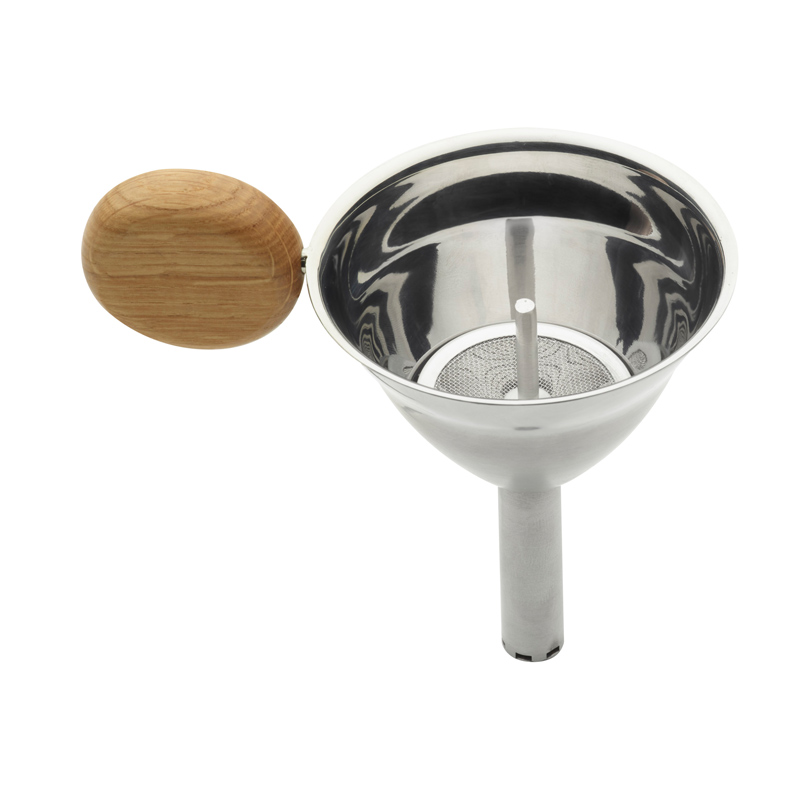
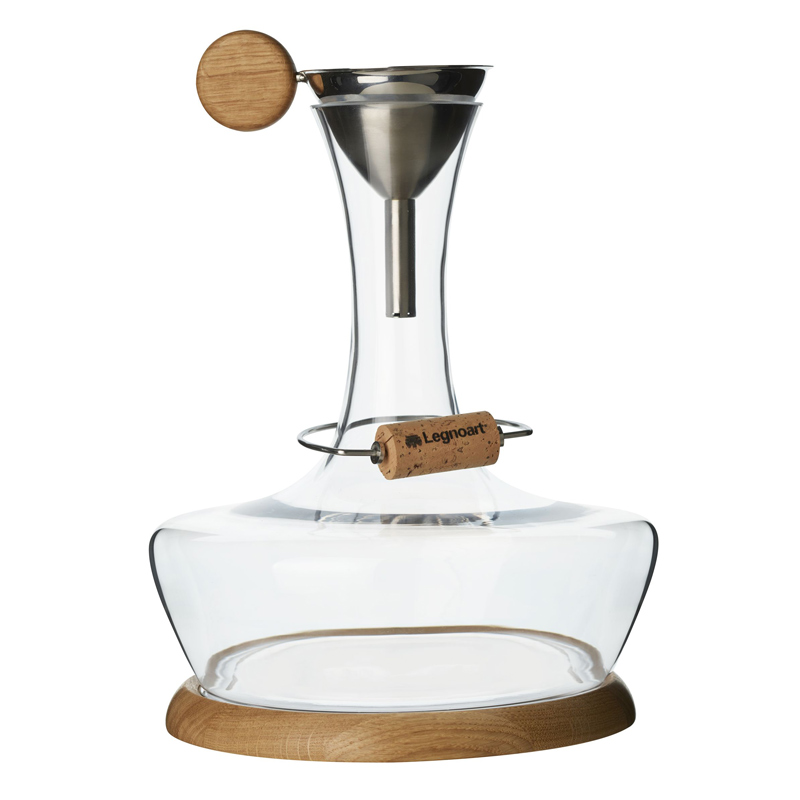
A well-designed aerator should feel balanced in the hand and pour cleanly without drips or spillage. Internal chambers are engineered to manage airflow accurately, ensuring even distribution of oxygen with each pour. Some models integrate seamlessly with decanters or attach directly to the bottle, while others feature stand-alone designs for versatility.
Attention to material is not aesthetic alone. Smooth internal surfaces prevent unwanted turbulence, allowing wine to flow in a steady stream that maximises contact without agitation. The result is consistency, elegance, and reliability — the hallmarks of any refined tool.
When to Use an Aerator
Aerators excel with wines that are youthful or structured. A bold red that feels tight or restrained often becomes more open and aromatic after a few seconds through an aerator. Whites with subtle oak or complex minerality, such as Chablis or Viognier, can also gain expression from brief aeration.
For older wines, caution is key. Mature vintages may have already developed fragile aromatic compounds that dissipate quickly. In these cases, gentle decanting remains the preferred approach.
The beauty of aeration lies in its adaptability. Whether used during casual dinners or formal tastings, it enhances the experience without altering tradition.
The Modern Experience of Wine
Aeration represents a balance between technology and intuition — a moment where science enhances ritual. It captures the essence of modern craftsmanship: efficient, precise, and beautifully made.
For collectors, it offers a practical solution that respects the integrity of fine wine. For enthusiasts, it provides immediate gratification without compromise. It is the meeting point of design and discovery, allowing every glass to reach its potential.
A Closing Reflection
Aeration is both art and science — the measured introduction of air that brings wine to life. Understanding how and when to aerate turns a simple pour into a refined act of appreciation.
Discover Vintrepid’s collection of precision-crafted wine aerators at Vintrepid.co.uk, where design, craftsmanship, and performance come together to perfect the modern pour.
Related Posts
Corkscrew Craft: A History of Elegance in Motion
The Essence of Italian Olive Oil: Heritage, Craft and Taste
How to Build a Refined Home Cellar
Preserving Perfection: The Science Behind Coravin